%2Ffit-in%2F250x250%2Fguide_websites%2F3599%2Fimages%2F1746115173961untitleddesign24.png&w=1920&q=100)
Suwannee Bass Fishing in North Tonawanda NY
Suwannee Bass Fishing in North Tonawanda - What to Expect
%2F%2Fusers%2Fc4529e23-266a-406f-b0f7-d4c5a3bd42cb%2Fimages%2Fsuwannee-bass-north-tonawanda-fishing-2427.jpg&w=1920&q=75)
Guide Trip by Guide Justin Warriner in June
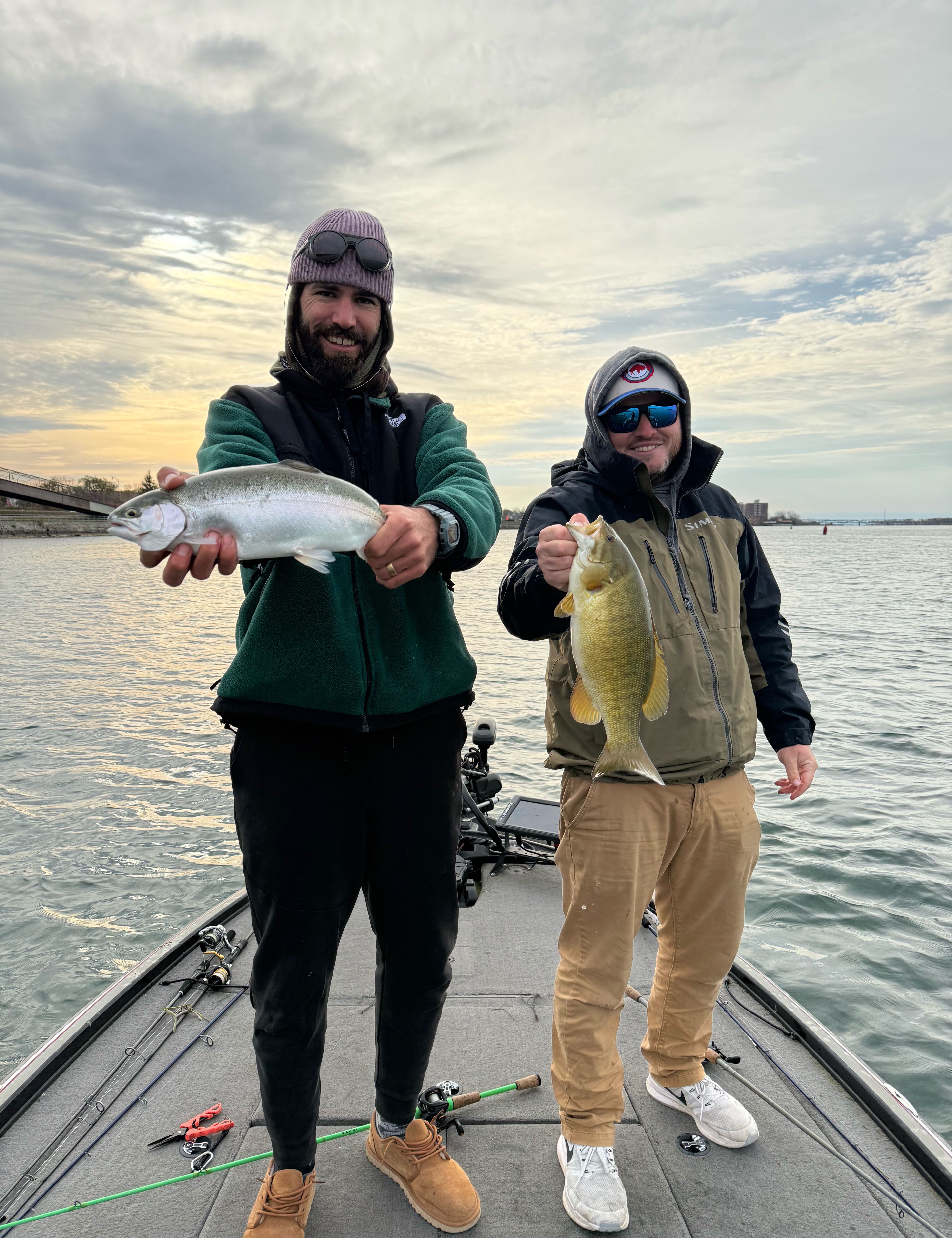
Meet your Guide Justin Warriner
- Book Your Next Buffalo NY Fishing Trip Today!


Summary
Join guide Justin Warriner on a Friday in June for an exciting guide trip targeting Suwannee Bass in North Tonawanda, NY waters. This hands-on fishing experience combines local expertise with proven catch techniques, offering anglers the chance to tangle with quality bass in productive waters.
Fishing with Justin Warriner of Just Fish Guide Service - Rates & Booking
Guide Justin Warriner of Just Fish Guide Service operates fishing trips on Friday, June 5th targeting Suwannee Bass in North Tonawanda, NY waters. As an experienced local guide, Warriner brings years of professional expertise navigating these productive fishing grounds and understanding seasonal bass behavior patterns.
To book your guide trip or inquire about current rates, contact Just Fish Guide Service directly. Justin specializes in personalized instruction for anglers of all skill levels, ensuring you gain practical knowledge while pursuing quality bass. His local connections and deep familiarity with North Tonawanda waters give you a significant advantage in locating and successfully catching Suwannee Bass.
Highlights of Your Suwannee Bass Fishing Experience
Suwannee Bass fishing in this region offers the thrill of pursuing a species known for aggressive strikes and hard-fighting runs. North Tonawanda's waters provide excellent habitat for these bass, with structure and cover that concentrate fish and create dynamic fishing opportunities throughout the day.
Working with an experienced guide like Justin Warriner means you'll learn actionable techniques specific to Suwannee Bass behavior, seasonal movements, and local water conditions. You'll gain insider knowledge about effective lures, retrieval patterns, and prime fishing zones that turn casual outings into consistent success.
Local Species Insights: Suwannee Bass
Suwannee Bass are a freshwater species found throughout the southeastern United States, known for their distinctive appearance and powerful fighting ability. These bass prefer habitats with rocky structure, clear water, and adequate cover - conditions well-represented in North Tonawanda waters.
What makes Suwannee Bass particularly rewarding for anglers is their aggressive feeding behavior and willingness to strike well-presented lures and live bait. They're often more territorial than their largemouth cousins, which means precise casting and understanding their preferred habitat zones becomes critical to consistent catches.
During your guide trip with Justin Warriner, you'll learn to identify Suwannee Bass habitat, understand their seasonal movement patterns, and execute presentations that trigger strikes. The species' spirited nature means every hook-set carries genuine excitement, and successful catches deliver the kind of satisfaction that builds confidence in your fishing abilities.
North Tonawanda's waters support healthy Suwannee Bass populations maintained through responsible fishing practices. Experienced guides like Warriner practice catch-and-release ethics while ensuring their clients experience genuine fishing success. This approach sustains the fishery while providing unforgettable experiences for visiting anglers.
Fishing in Buffalo: Suwannee Bass
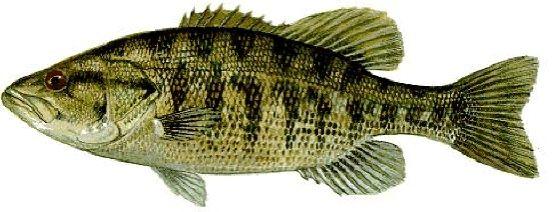
Suwannee Bass Overview
The Suwannee Bass (Micropterus notius) is a small freshwater game fish belonging to the family Centrarchidae and order Perciformes—the same family as their larger cousins, the Largemouth and Smallmouth Bass. What makes this species truly special is its rarity and regional exclusivity; the Suwannee Bass is found naturally only in Florida and Georgia, making it a prized catch for dedicated anglers and a fascinating subject for fish enthusiasts exploring the Southeast's unique biodiversity. These diminutive fighters are instantly recognizable by their olive-to-brown coloration, dark blotched stripes, and the signature turquoise-blue hue that adorns their cheeks and belly—especially vibrant during spawning season. Unlike their larger bass cousins, the Suwannee Bass boasts a distinctively wide upper jaw that extends well beyond the eye, a feature that helps distinguish them at a glance. For visitors to Georgia or Florida seeking an authentic river fishing experience, encountering this endemic species represents a genuine piece of local natural heritage.
Suwannee Bass Habitat and Distribution
The Suwannee Bass is endemic to two primary river systems: the Suwannee River and the Ochlockonee River, both straddling the Georgia-Florida border. Over time, the species has been introduced to several other waterways, including the St. Marks River, Ichetucknee Springs, Aucilla River, and Wacissa River. These fish are adapted to moderate-moving current environments and thrive in water temperatures ranging from 65 to 80 degrees Fahrenheit. You'll typically find them holding on the bottoms of rivers, tributaries, streams, and pools, where they seek cover and staging areas for feeding. They show a marked preference for structure—fallen trees, deep sweeping bends, wood cover, and weedy vegetation are prime habitat zones. Spring spawning drives them into cooler waters, making seasonal water temperature shifts an important factor for understanding their distribution and movement patterns throughout the year.
Suwannee Bass Size and Weight
The average Suwannee Bass measures approximately 8 inches in length and weighs just under one pound. Interestingly, females tend to run about half a pound heavier than their male counterparts, a trait common in many fish species. The maximum recorded length for this species stands at an impressive 16.5 inches, while the heaviest specimen ever documented tipped the scales at 3.89 pounds. These numbers reveal that while the Suwannee Bass is decidedly a small fish compared to trophy-class Largemouth or Smallmouth Bass, individual specimens can reach respectable sizes that still provide excellent sport on light tackle. For anglers targeting this species, understanding these size ranges helps in tackle selection and realistic expectation-setting—you're pursuing a feisty little fighter, not a heavyweight champion.
Suwannee Bass Diet and Behavior
Like all bass, the Suwannee Bass is an ambush predator with a diet centered on small aquatic prey. Their preferred foods include crayfish, minnows, small baitfish, insects, and invertebrates found in river systems. This species exhibits the classic bass behavior of positioning itself in current breaks and structural cover, waiting for unsuspecting prey to drift or swim within striking distance. The Suwannee Bass is renowned for its fighting spirit despite its diminutive size—anglers consistently report that when hooked on light tackle, these fish display aggressive, acrobatic runs and head-shakes that belie their modest proportions. Their behavior is heavily influenced by water temperature and seasonal cycles; during cooler months, they move to deeper pools, while warmer periods see them more active in shallower, current-rich zones. The turquoise coloration becomes particularly pronounced in males during reproductive readiness, serving as a visual signal of maturity and breeding condition.
Suwannee Bass Spawning and Seasonal Activity
The Suwannee Bass spawning season runs from February through June, with peak activity occurring in spring when water temperatures are cooling from their winter lows. During this period, male fish become vibrantly colored—their turquoise cheeks and belly patches intensify, effectively broadcasting their reproductive status and mate-readiness to females. Males construct and defend spawning beds, typically in shallow, protected areas with reduced current and suitable substrate. This is the optimal time to observe the species' most colorful and behavioral manifestations, as territorial males are more aggressive and responsive to intrusion. Outside of spawning season, the fish settle into more routine feeding and shelter-seeking patterns, with daily activity closely tied to light levels, water temperature, and food availability. Understanding these seasonal rhythms is crucial for successful fishing and observation opportunities throughout the year.
Suwannee Bass Techniques for Observation and Capture
Method 1: Light Tackle Casting with Artificial Lures
Target fallen trees, wood cover, and deep bends using small crayfish-colored spinnerbaits, crankbaits, plastic worms, and jigs. An 8-foot 6-weight rod or 9-foot 8-weight fly rod paired with light line and a fluorocarbon leader will prevent spooking these cautious fish. Cast upstream in smaller river sections and allow lures to drift naturally with the current. Use J-hooks sized 1/0 to 2/0 to match the fish's proportional mouth size. Focus on the 12- to 20-foot depth range where Suwannee Bass prefer to hold; a sinking-tip line is invaluable for reaching these sweet spots.
Method 2: Live Bait Presentation
Live crayfish (hooked through the tail near the abdomen for minimal damage), minnows, worms, and grasshoppers are all effective natural baits. Cast live shiners into brush piles from upstream and let them float downstream with the current, mimicking natural forage behavior. This passive approach allows the bait's natural movement and scent to attract feeding fish without the energy expenditure of continuous casting.
Method 3: Fly Fishing with Varied Presentations
Fly rod anglers can deploy streamers, divers, and poppers in shallower water, or switch to jigging flies for deeper zones. Minnow replicas effectively imitate natural prey, and varying retrieval speeds and depths helps identify where fish are actively feeding. Around the Suwannee River in Florida and Georgia, fly fishing through the clear spring-fed runs during early morning hours often yields the best results, as light penetration reveals fish location and feeding activity.
Suwannee Bass Culinary and Utilization Notes
The Suwannee Bass is edible and can be prepared for consumption, though the average odds for food quality rate as moderate rather than exceptional. The small average size (under a pound) means modest meat yields per fish, and many anglers practice catch-and-release to preserve this endemic population's vitality. Given the species' rarity and limited distribution, conservation-minded anglers often choose to document and release these fish rather than harvest them. When kept, they should be cleaned promptly and prepared simply—pan-frying or baking small fillets brings out their delicate white meat. The real value of the Suwannee Bass lies in the sporting and educational experience rather than culinary reward; landing one represents a genuine connection to Florida and Georgia's unique freshwater heritage.
Suwannee Bass Frequently Asked Questions
Q: What is the best bait or lure for catching Suwannee Bass?
A: Small crayfish-colored spinnerbaits, crankbaits, plastic worms, jigs, and live crayfish (hooked through the tail) are all highly effective. Live shiners drifted through brush piles or along banks work exceptionally well. For fly anglers, streamers, minnow replicas, and small poppers in shallow zones produce excellent results. Match lure size to the fish's small mouth—this is not a trophy bass species that crushes large baits.
Q: Where can I find Suwannee Bass near the Suwannee River in Florida?
A: The Suwannee River and associated waterways like the Ichetucknee Springs, Aucilla River, and Wacissa River are prime locations. Look for structure—fallen trees, deep bends, wood cover, and weedy vegetation along the river bottom. Spring-fed sections with clear water and moderate current are particularly productive. Early morning and late evening fishing often yields better results than midday activity.
Q: Is the Suwannee Bass good to eat?
A: While edible, the Suwannee Bass offers only average food quality and modest meat yields due to its small average size. Many anglers practice catch-and-release to support conservation efforts, given this species' endemic and limited range. When kept, they should be prepared simply—pan-frying small fillets is effective. The real value lies in the sport and ecological significance rather than culinary reward.
Q: When is the best time to catch or observe Suwannee Bass?
A: The spawning season from February through June offers excellent opportunities, particularly for observing the brilliant turquoise coloration in males. During this period, fish are more aggressive and responsive. Outside spawning season, early morning and late evening hours provide the most active feeding windows. Water temperature between 65-80°F is ideal for fishing success.
Q: How does the Suwannee Bass differ from Largemouth Bass?
A: The Suwannee Bass is significantly smaller, with a distinctive wide upper jaw extending beyond the eye (versus a more proportional mouth in Largemouths), and turquoise cheek and belly coloration. It is endemic to specific Florida and Georgia river systems, whereas Largemouth Bass have been introduced worldwide. Despite the size difference, Suwannee Bass fight disproportionately hard on light tackle.
Q: What tackle and rod setup should I use for Suwannee Bass?
A: An 8-foot 6-weight fly rod or 9-foot 8-weight rod is ideal, paired with light line (6- to 8-pound test) and a fluorocarbon leader to minimize visibility. Use a sinking-tip line to access the preferred 12- to 20-foot depth range. Lighter tackle is preferred because it increases sensitivity and allows the fish's small mouth to load the rod during hooksets. Avoid heavy gear, which diminishes the experience and spooks cautious fish.